
South Omo Valley – 6 Day Cultural Journey
Tour Overview
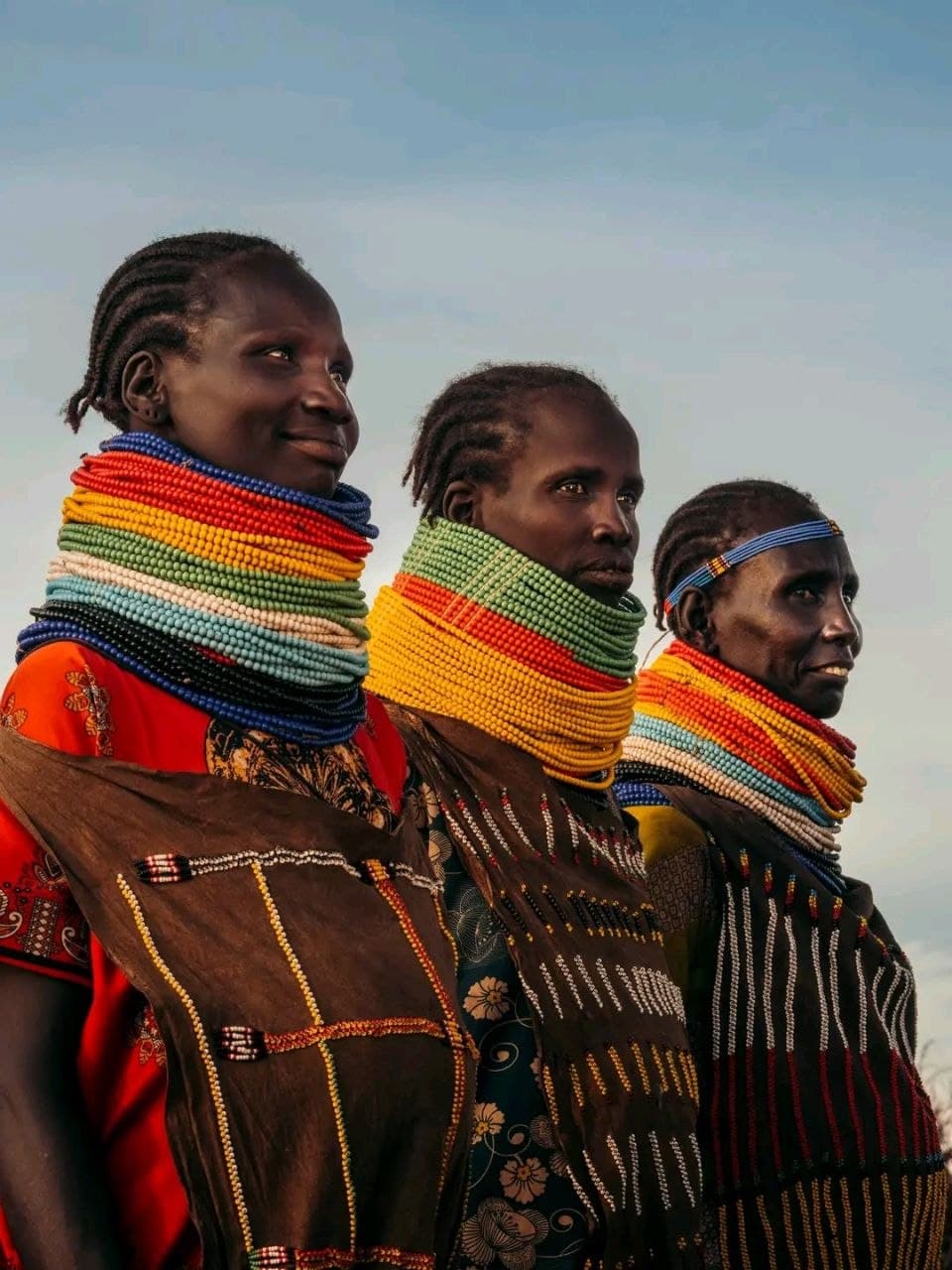
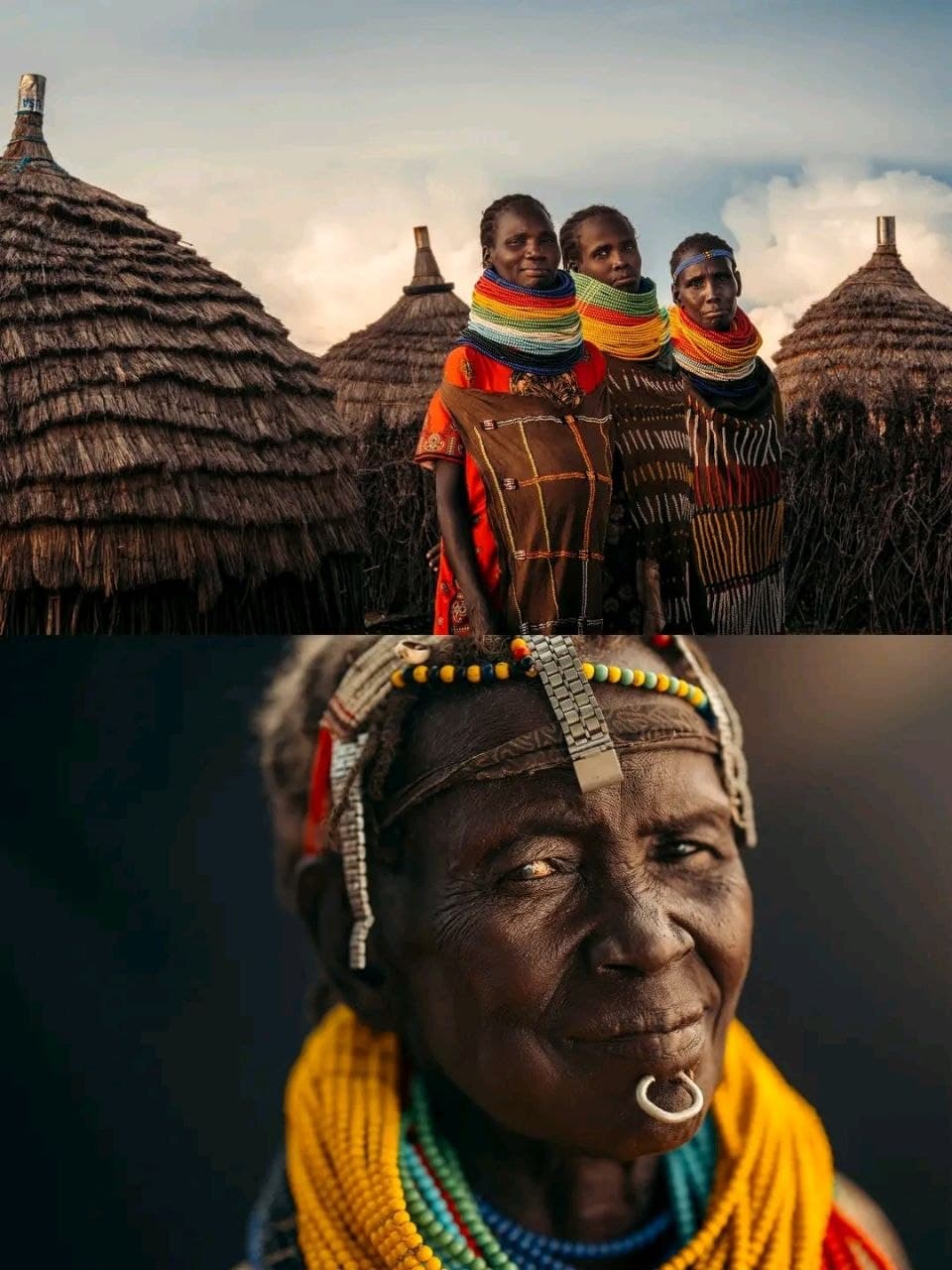
Deep cultural immersion with Ethiopia's diverse indigenous tribes in the remote South Omo Valley, where ancient traditions continue to shape daily life
Tour Highlights
Location Map
Loading map...
📍 Exact tour location • Click marker for details
Detailed Itinerary
Day 1: Addis Ababa to Arba Minch – Gateway to Southern Cultures
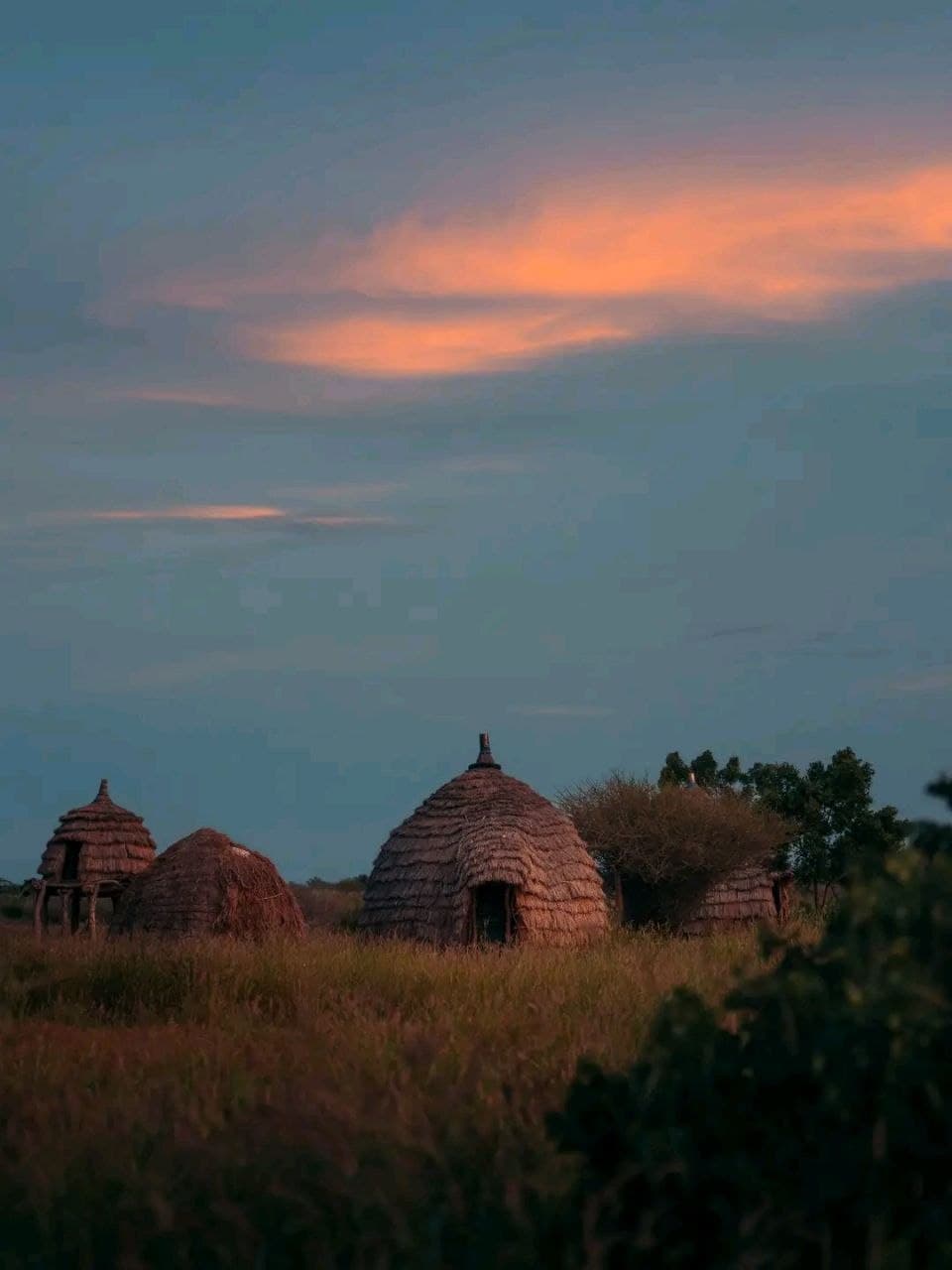
Morning flight to Arba Minch. Visit the Dorze village in the highlands, famous for elephant-shaped bamboo houses and weaving traditions. Cultural lunch and briefing about Omo Valley tribes and ethical tourism practices.
Activities:
- Flight to Arba Minch
- Visit Dorze village
- Traditional weaving demonstration
- Cultural lunch
- Omo Valley cultural briefing
Day 2: Arba Minch to Konso – UNESCO Cultural Landscape
Drive to Konso. Explore traditional villages, terraced hillsides, and learn about the Konso people's agricultural systems and Waga statues.
Activities:
- Scenic drive to Konso
- Visit Konso villages
- Explore terraces and Waga statues
- Cultural interaction with Konso community
Day 3: Konso to Turmi – Into the Heart of Omo Valley
Drive via Key Afer market (on market days). Continue to Turmi, home of the Hamar people. Cultural visit to a Hamar village.
Activities:
- Drive to Turmi
- Visit Key Afer market (if available)
- Explore Hamar village
- Learn about Hamar traditions
Day 4: Turmi to Karo Village – Body Painting Traditions
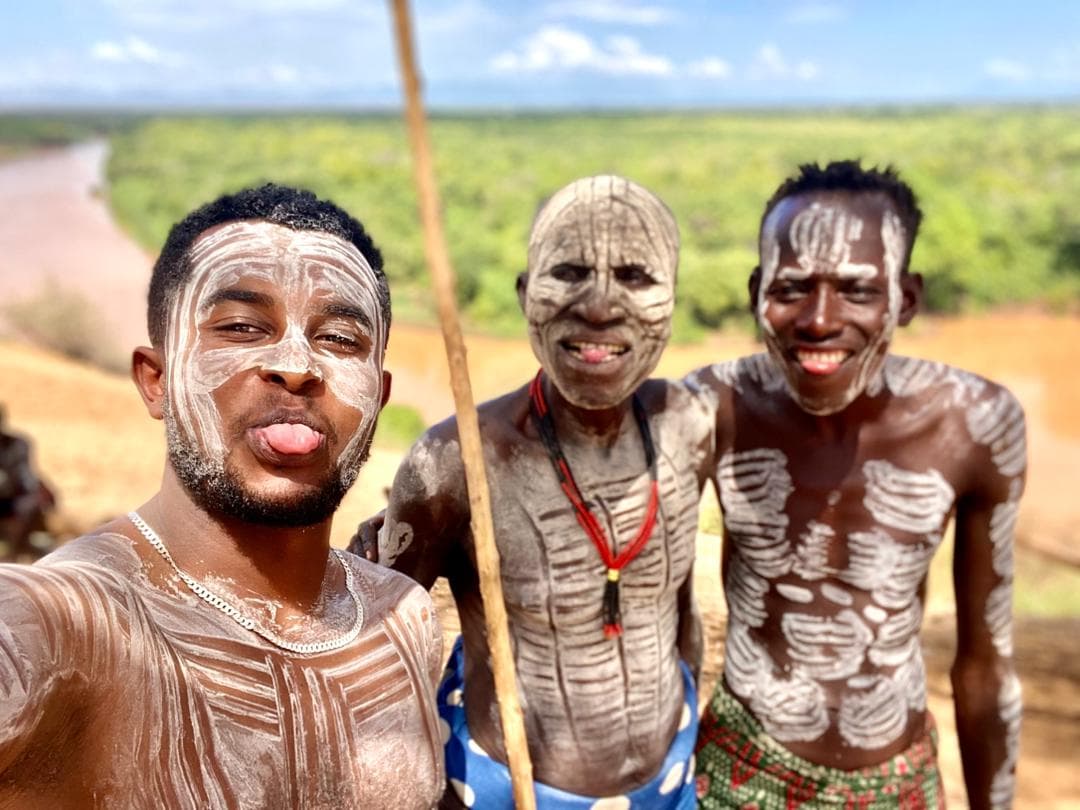
Excursion to Korcho village to meet the Karo people, known for artistic body painting along the Omo River.
Activities:
- Excursion to Karo village
- Experience traditional body painting
- Scenic views of Omo River
- Return to Turmi
Day 5: Turmi to Jinka – Cultural Diversity of South Omo
Drive to Jinka through diverse tribal regions including Banna communities. Visit South Omo Research Center and Museum.
Activities:
- Drive to Jinka
- Cultural encounters en route
- Visit South Omo Museum
Day 6: Mursi Tribe & Return to Addis Ababa
Morning excursion to Mago National Park to visit the Mursi tribe. Return to Jinka and fly back to Addis Ababa.
Activities:
- Visit Mursi village
- Explore Mago National Park
- Flight to Addis Ababa
Gallery
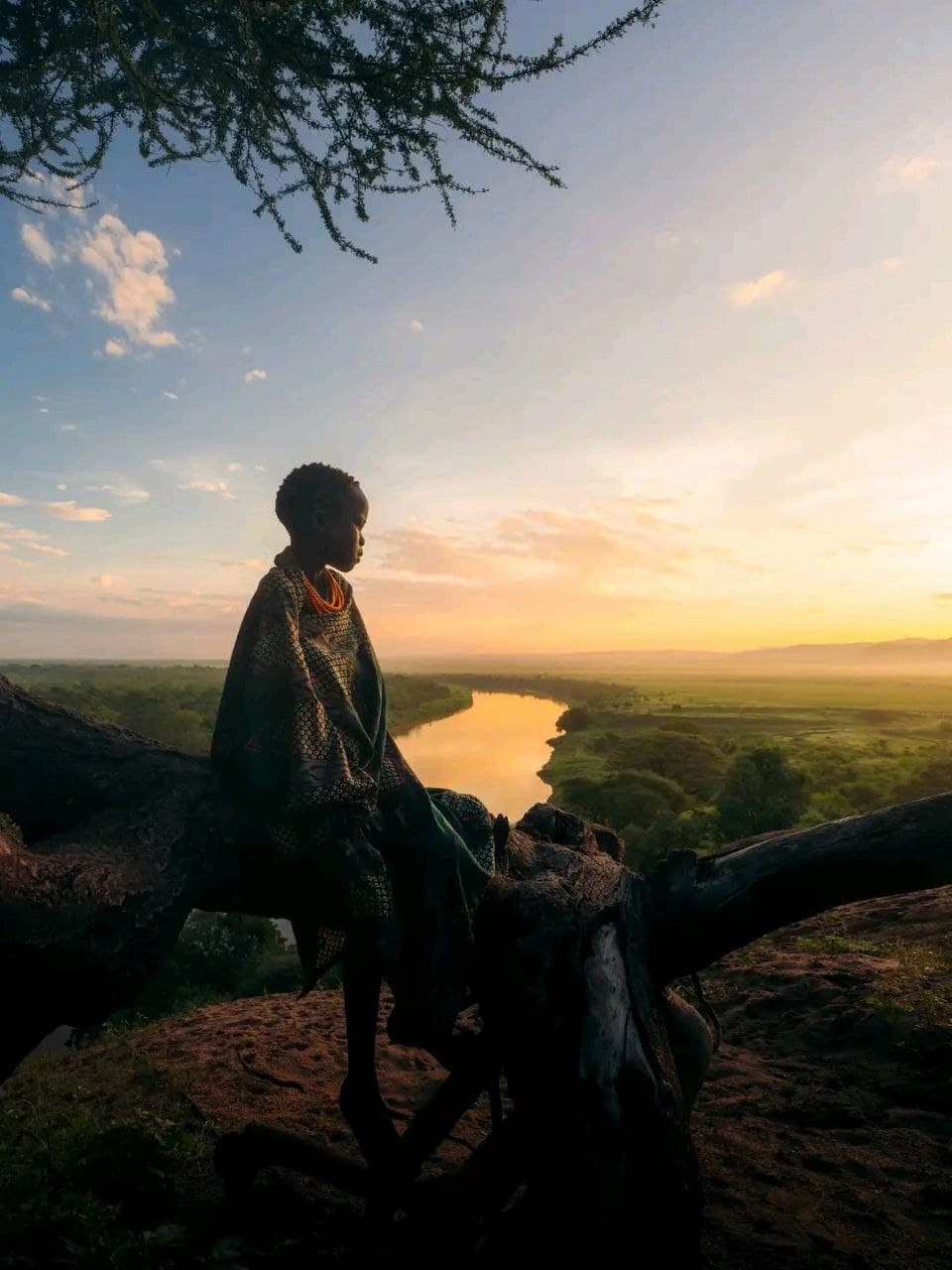
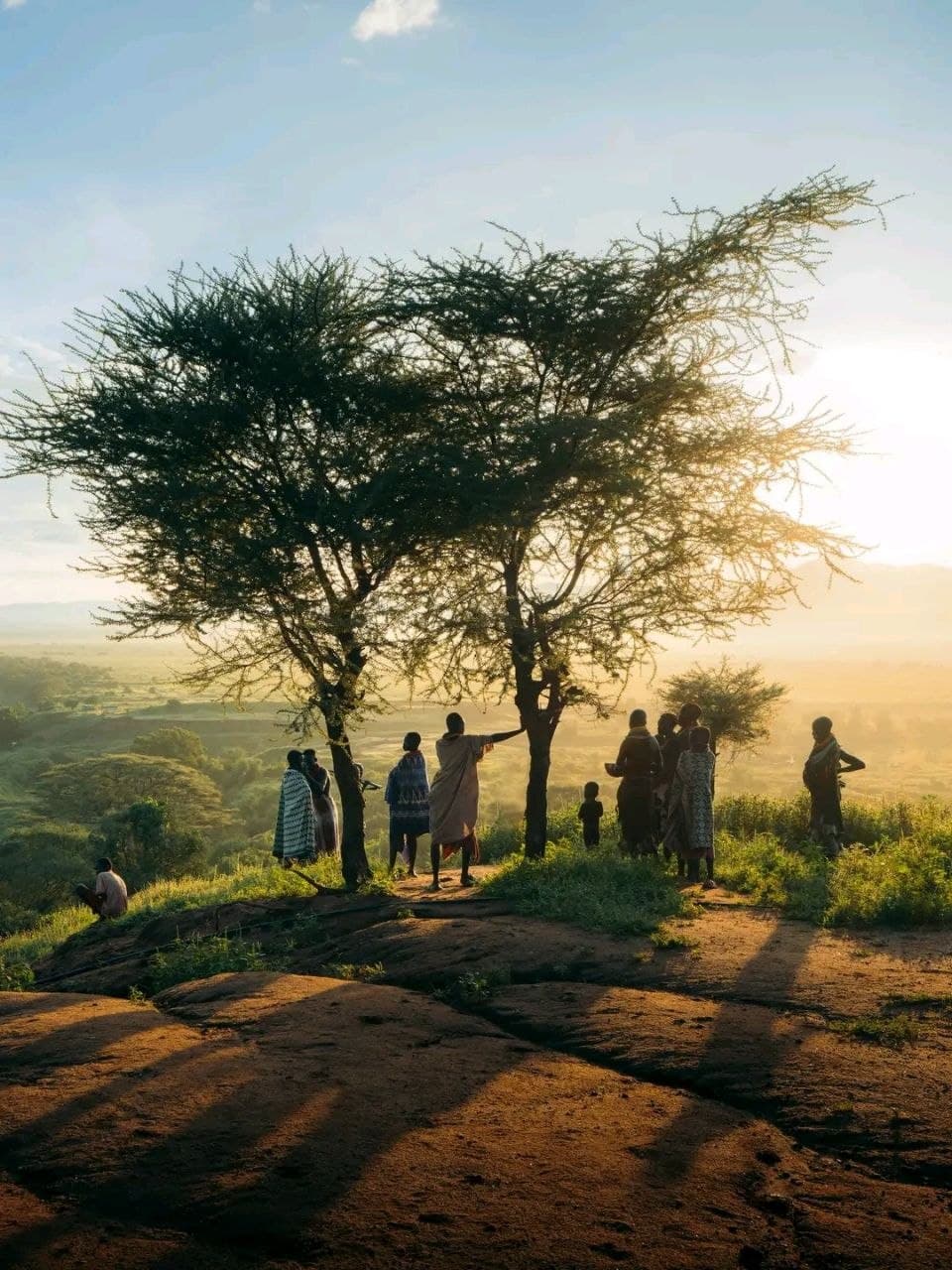
Guest Reviews (0)
Based on 0 reviews
No reviews yet
Be the first to share your experience!
Quick Booking
Maximum 8 participants
No payment required now • Free cancellation
What's Included
What's Not Included
Frequently Asked Questions
Is photography allowed when visiting tribal communities?
Photography is generally permitted but always requires asking permission first through your guide. S...
How should I dress when visiting tribal villages?
Modest clothing is recommended out of respect for local customs. Avoid shorts, short skirts, and sle...
You Might Also Like

Explore one of Ethiopia's newest and most pristine national parks, home to large elephant herds, buffalo, and diverse birdlife in a unique ecosystem combining forest and savannah habitats in the remote southwest.
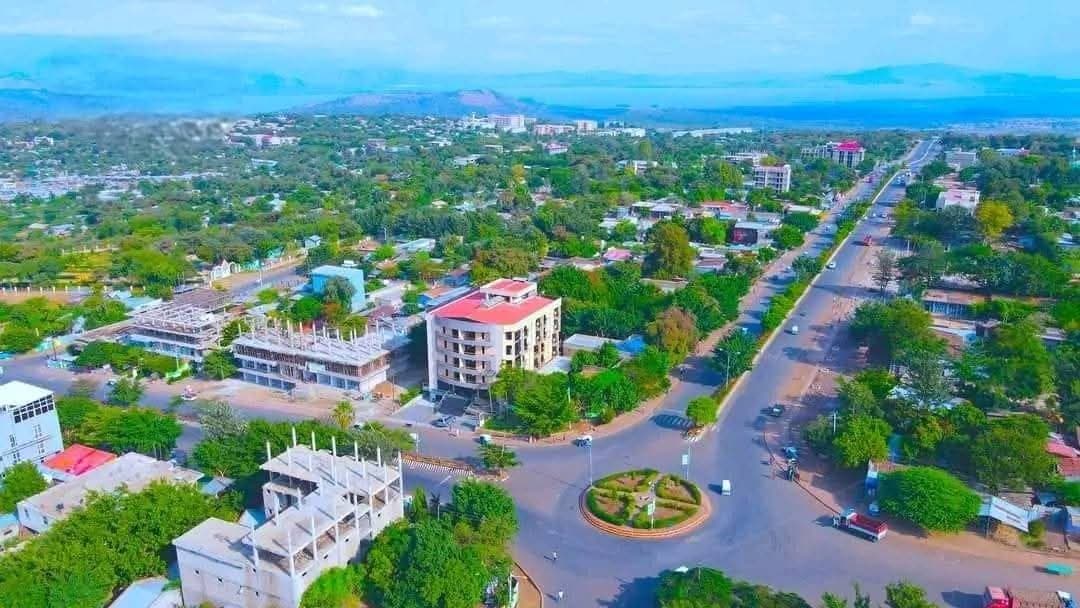
Southern Cultural Circuit
Comprehensive journey through Ethiopia's diverse southern cultures, visiting multiple tribal communities, traditional markets, and UNESCO sites from the Konso terraces to the Dorze people of the highlands.