Land of Origins
Where humanity began, where coffee was discovered, and where ancient wonders await around every corner.
Ethiopia offers one of the richest combinations of history, civilizations, cultures, wildlife, and landscapes anywhere in Africa.
From ancient kingdoms and UNESCO World Heritage Sites to dramatic mountains, deserts, and tribal traditions, Ethiopia provides experiences found in very few places in the world.
Ethiopia is not just a country—it's a feeling, a journey back in time, a tapestry of cultures, and a landscape that defies imagination.
The Cradle of Humanity
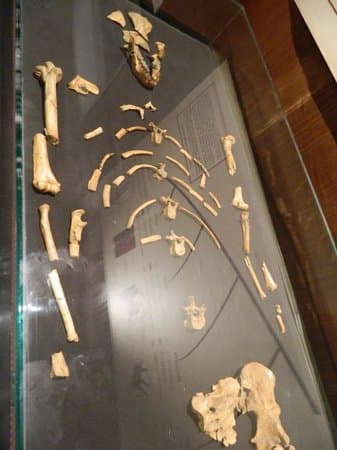
In the dusty badlands of the Afar region, scientists unearthed "Lucy" (Dinkinesh), a 3.2 million-year-old hominid that forever changed our understanding of human origins. But Ethiopia's significance doesn't end there—this is where some of the earliest evidence of modern humans, tool-making, and artistic expression have been found.
Walk in the footsteps of our ancestors at the National Museum in Addis Ababa, where Lucy's remains rest, or venture to the archaeological sites of the Omo Valley, where time seems to stand still and ancient traditions live on.
The Living Faith of Lalibela
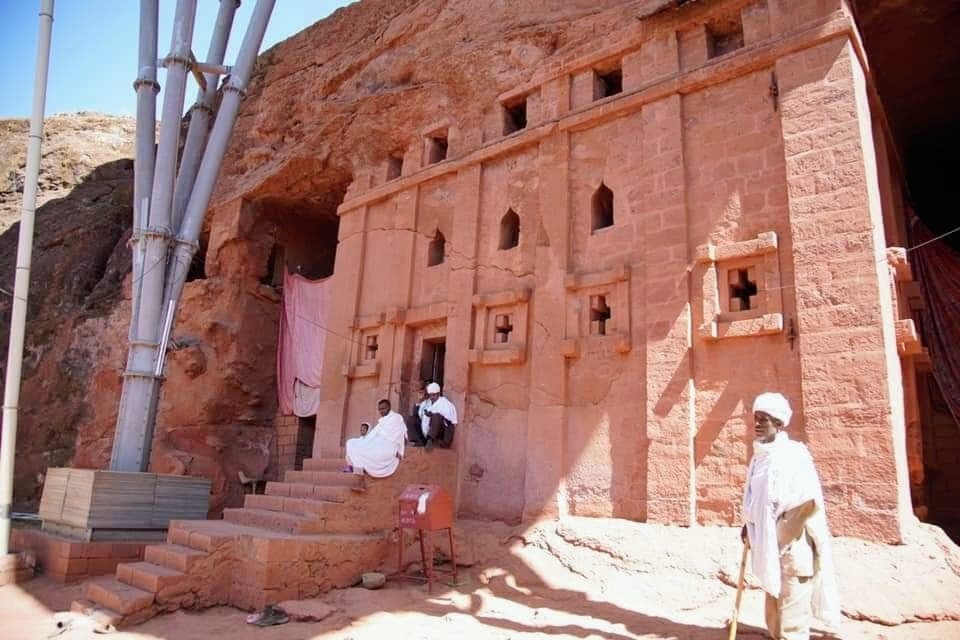
In the highlands of Lasta, King Lalibela dreamed of building a "New Jerusalem"in the 12th century. The result? Eleven monolithic churches carved entirely from solid volcanic rock, some reaching 40 feet high, all connected by a maze of tunnels and trenches.
Today, these churches aren't just tourist attractions—they're living places of worship where priests in white robes chant ancient hymns, where colorful umbrellas dance during festivals, and where faith has remained unchanged for 800 years.
Where Coffee Was Born
According to legend, a goat herder named Kaldi noticed his goats dancing after eating mysterious red berries. He shared his discovery with local monks, and the world's love affair with coffee began.
The Coffee Ceremony
A ritual that can last hours—green beans are roasted over charcoal, ground with a pestle, and brewed in a black clay pot called a jebena.
The Highland Forests
Wild Arabica coffee still grows naturally in the misty forests of Kaffa and Bale, where you can trek through the birthplace of your morning brew.
More Than a Drink
In Ethiopia, coffee is community. It's conversation. It's friendship. Being invited to a coffee ceremony is one of the highest honors.
Dramatic Landscapes
From the jagged peaks of the Simien Mountains—often called the "Roof of Africa"—to the otherworldly Danakil Depression, one of the hottest and lowest places on Earth, Ethiopia's landscapes will leave you speechless.
Creatures Found Nowhere Else
Ethiopia's isolation and diverse climates have created a haven for unique wildlife. Spot these endemic species in their natural habitats.
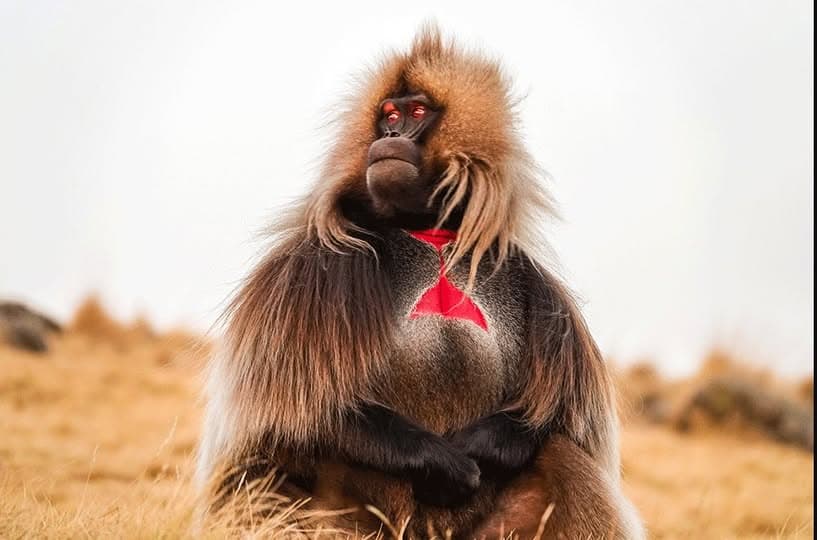
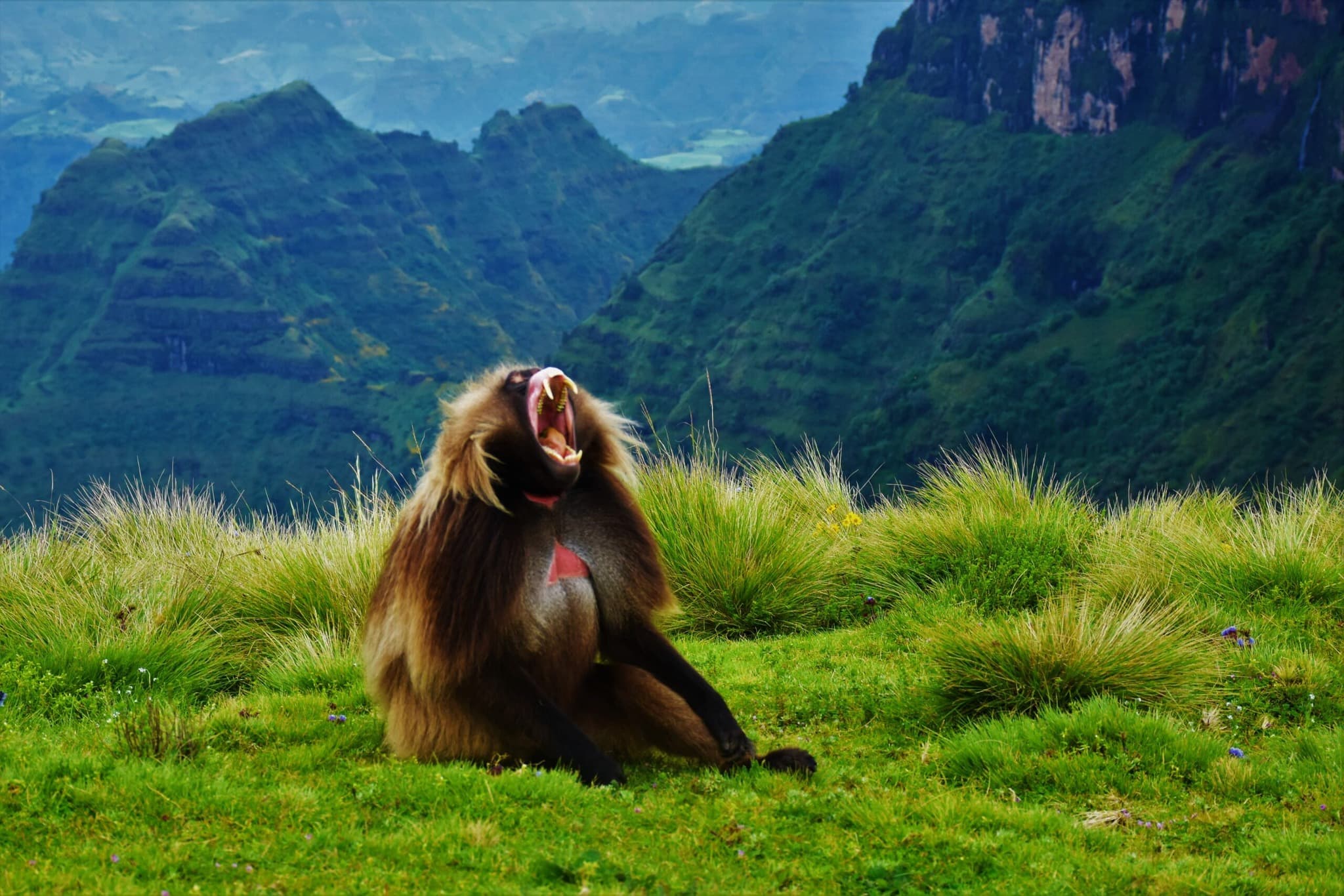
Gelada Baboon
The 'bleeding heart' monkey—only found in the Ethiopian Highlands
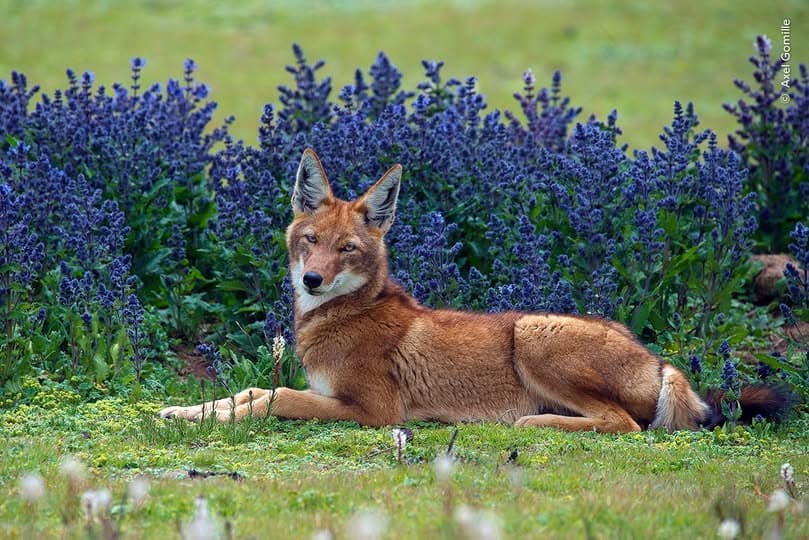
Ethiopian Wolf
Africa's most endangered carnivore, hunting rodents in the Bale Mountains
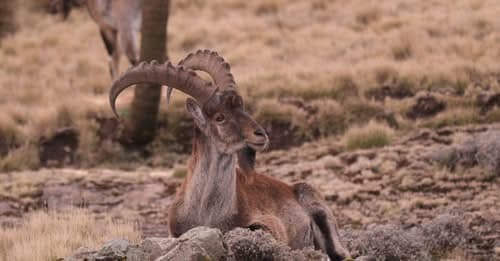
Walia Ibex
A majestic mountain goat clinging to the cliffs of Simien
80+ Ethnic Groups, One Nation
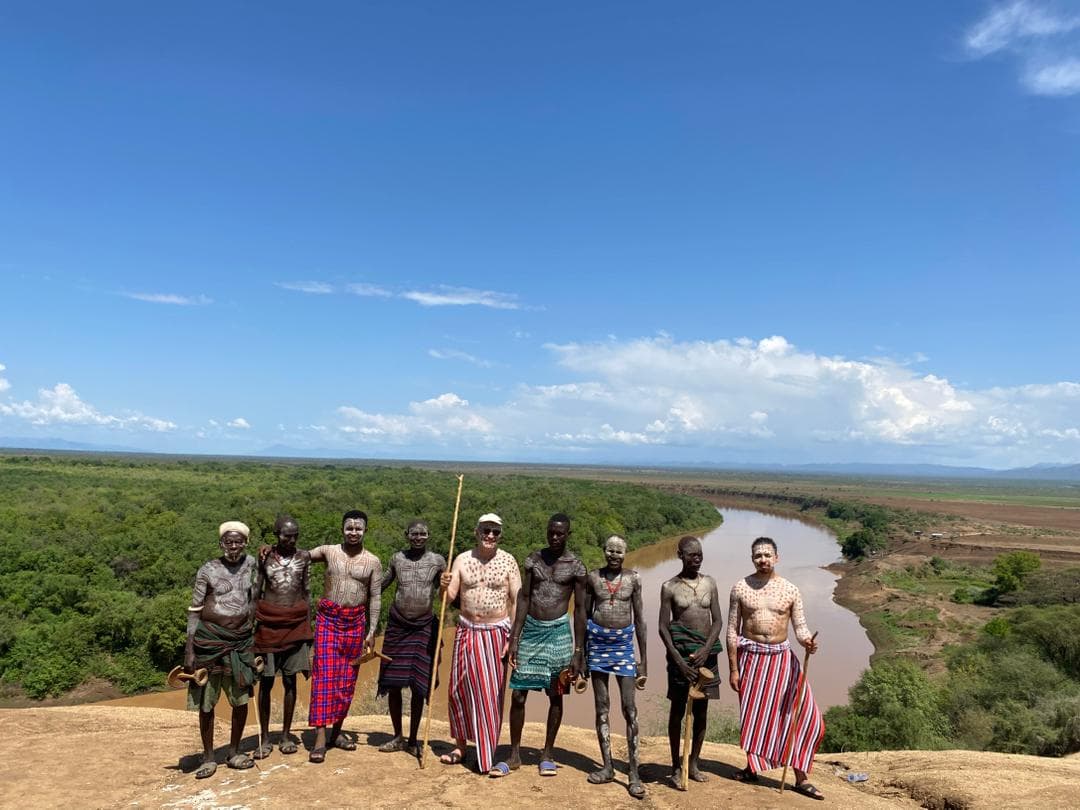
From the Mursi with their lip plates in the Omo Valley to the proud warriors of the Hamer tribe, from the ancient traditions of the Tigrayans to the vibrant markets of the Harari people—Ethiopia is a living museum of human diversity.
Each group maintains its own language, dress, traditions, and music, creating a cultural tapestry unlike anywhere else on Earth.
Ready to Experience Ethiopia?
Let us show you the wonders that make Ethiopia truly one of a kind